Introduction
Rising electricity costs, increased pressure on national power grids, and growing environmental concerns have encouraged households and businesses to explore alternative energy solutions. Among these, solar hot water systems have emerged as one of the most practical and cost-effective renewable energy technologies available today.
Unlike solar photovoltaic systems, which generate electricity, solar hot water systems are designed specifically to heat water using sunlight. This direct use of solar energy makes them highly efficient, reliable, and economical, especially in countries like Sri Lanka that receive abundant sunlight throughout the year.
Switching to a solar hot water system is not merely a decision driven by cost savings. It is a long-term investment that delivers consistent performance, reduces dependence on conventional energy sources, and supports a more sustainable lifestyle. This article explores the key benefits of solar hot water systems, explaining why they are increasingly becoming a preferred choice for residential and commercial properties.
Understanding Solar Hot Water Systems
Before examining the benefits, it is important to understand how solar hot water systems function.
A typical solar hot water system consists of:
- Solar collectors, which absorb sunlight and convert it into heat
- A storage tank, which holds heated water for later use
- Connecting pipes and insulation, which minimize heat loss
- Optional backup heating, usually electric or gas, for extended cloudy periods
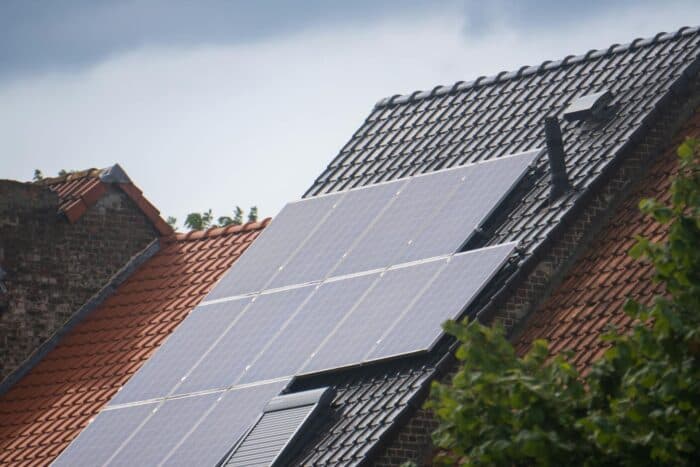
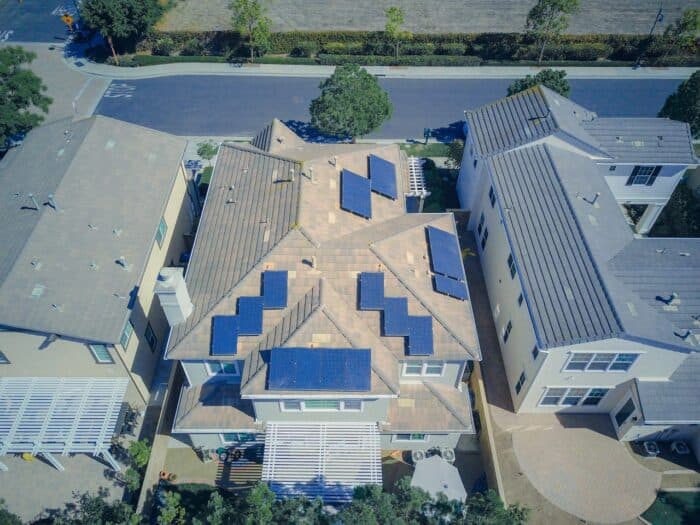
Solar collectors are usually installed on rooftops to maximize sun exposure. As sunlight strikes the collector surface, water or heat-transfer fluid inside the system absorbs the heat and transfers it to the storage tank. The heated water is then supplied to bathrooms, kitchens, and other outlets as required.
Because the system relies primarily on free solar energy, operating costs remain extremely low after installation.
Reduced Electricity Bills
Hot Water as a Major Energy Consumer
In most households, water heating accounts for a significant portion of electricity consumption. Electric geysers and instant water heaters draw high power, especially during peak usage hours. Frequent use of hot water for bathing, cleaning, and washing can substantially increase monthly electricity bills.
By switching to a solar hot water system, households can significantly reduce or even eliminate the electricity previously used for water heating.
Consistent Monthly Savings
Once installed, a solar hot water system uses sunlight as its primary energy source. Since sunlight is free and abundant, especially in tropical regions, the system dramatically lowers dependence on grid electricity.
Many households experience:
- 30 to 60 percent reduction in electricity bills
- Stable energy costs unaffected by tariff increases
- Reduced peak-hour electricity usage
Over time, these savings accumulate, allowing the system to pay for itself within a few years.
Long-Term Financial Impact
Unlike conventional electric heaters that continuously consume electricity, solar hot water systems offer predictable and long-term savings. As electricity prices continue to rise, the financial advantage of solar heating becomes even more significant. For households with high hot water usage, the return on investment is often faster and more substantial.
Low Maintenance Requirements
Simple System Design
Solar hot water systems are mechanically simple compared to many other energy technologies. They have fewer moving parts, which reduces the likelihood of mechanical failure. Most systems operate passively, relying on natural heat transfer rather than complex electronics.
Minimal Maintenance Tasks
Routine maintenance typically includes:
- Periodic cleaning of solar collectors to remove dust and debris
- Occasional inspection of pipes and insulation
- Checking valves and fittings for leaks
- Ensuring the backup heater functions correctly
These tasks are straightforward and usually require minimal time and cost.
Lower Ongoing Costs
Because maintenance requirements are limited, the long-term operational cost of a solar hot water system is significantly lower than electric or gas-based water heating systems. Most manufacturers provide warranties for tanks and collectors, offering additional peace of mind.
Long Lifespan and Durability
Built for Long-Term Use
Solar hot water systems are designed to withstand outdoor conditions, including heat, rain, and wind. High-quality systems use corrosion-resistant materials, insulated tanks, and durable collector surfaces that can perform efficiently for many years.
With proper installation and basic maintenance, most systems last 15 to 20 years or more.
Reliable Performance Over Time
Unlike electric heaters that may suffer from frequent breakdowns or heating element failures, solar hot water systems maintain consistent performance. Even after many years of use, well-maintained systems continue to provide reliable hot water with minimal efficiency loss.
Cost Efficiency Over System Lifetime
The long lifespan of solar hot water systems makes them highly cost-effective. While the initial installation cost may be higher than that of an electric heater, the extended service life and low operating expenses result in a lower overall cost per year of use.
Environmentally Friendly Energy Solution
Reduced Carbon Footprint
Electricity generation in many regions still relies heavily on fossil fuels. Using electric water heaters contributes indirectly to carbon emissions and environmental degradation.
Solar hot water systems, on the other hand:
- Use renewable solar energy
- Produce no emissions during operation
- Reduce reliance on fossil fuel-based power generation
By switching to solar heating, households can significantly reduce their environmental impact.
Supporting Sustainable Living
Adopting solar hot water systems aligns with global and national sustainability goals. It supports the transition toward cleaner energy sources and helps reduce pressure on power infrastructure.
For environmentally conscious homeowners, solar hot water systems represent a practical way to contribute to sustainability without sacrificing comfort or convenience.
Reliable Hot Water Supply
Consistent Performance in Sunny Climates
In regions with high solar radiation, solar hot water systems perform exceptionally well. Even on partially cloudy days, modern collectors and insulated tanks retain sufficient heat to meet daily hot water requirements.
Backup Heating for Assurance
Most systems include backup heating options, ensuring uninterrupted hot water availability during prolonged cloudy weather or unusually high demand. This combination of solar energy and backup support ensures reliability throughout the year.
Suitable for Various Applications
Solar hot water systems are suitable for:
- Residential homes
- Apartments with rooftop access
- Hotels and guesthouses
- Hospitals and care facilities
- Industrial and commercial operations
Their versatility makes them applicable across a wide range of usage scenarios.
Protection Against Rising Energy Costs
Energy Price Stability
Electricity tariffs are subject to periodic increases due to fuel costs, infrastructure expenses, and policy changes. Solar energy, however, remains constant and free.
By investing in solar hot water systems, users protect themselves against future price increases and gain greater control over household energy expenses.
Long-Term Financial Planning
Stable energy costs make budgeting easier for households and businesses. Over the system’s lifespan, users can accurately predict savings and allocate resources more efficiently.
Increased Property Value
Attractive Feature for Buyers
Properties equipped with solar hot water systems are increasingly seen as modern, efficient, and environmentally responsible. For potential buyers, such systems represent reduced utility bills and long-term value.
Competitive Advantage in the Market
Homes with renewable energy solutions often attract more interest and may command higher resale value. Solar hot water systems contribute positively to a property’s overall appeal and marketability.
Ease of Installation and Integration
Simple Installation Process
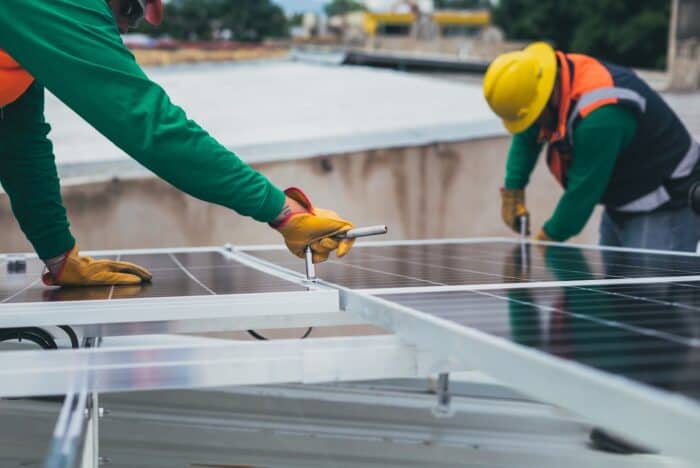
Solar hot water systems can be installed on most roof types with minimal structural modification. Professional installers assess roof orientation, strength, and shading to ensure optimal system placement.
Compatibility with Existing Plumbing
Most systems integrate easily with existing plumbing networks. This reduces installation complexity and limits disruption to daily household activities.
Ideal Solution for Tropical Regions
Abundant Solar Resources
Countries with high sunlight exposure are ideally suited for solar hot water systems. Consistent solar radiation ensures high system efficiency throughout the year.
Maximizing Natural Advantages
Using solar hot water systems allows households to fully utilize natural climatic advantages, converting abundant sunlight into tangible financial and environmental benefits.
Contribution to National Energy Goals
Reducing Pressure on Power Grids
Widespread adoption of solar hot water systems reduces electricity demand during peak hours. This helps stabilize national power grids and minimizes the risk of shortages or outages.
Supporting Renewable Energy Targets
Solar hot water adoption aligns with national renewable energy initiatives aimed at reducing dependence on imported fuels and promoting energy self-sufficiency.
Conclusion
Switching to a solar hot water system offers a wide range of benefits that extend far beyond immediate cost savings. From significantly reducing electricity bills to providing a reliable and environmentally friendly hot water solution, solar heating represents a smart and sustainable choice for modern households.
With low maintenance requirements, long operational lifespan, and strong environmental advantages, solar hot water systems deliver exceptional long-term value. They protect users from rising energy costs, enhance property value, and contribute positively to national and global sustainability efforts.
For households seeking a dependable, economical, and responsible water heating solution, solar hot water systems stand out as a long-term investment in comfort, financial stability, and environmental responsibility.