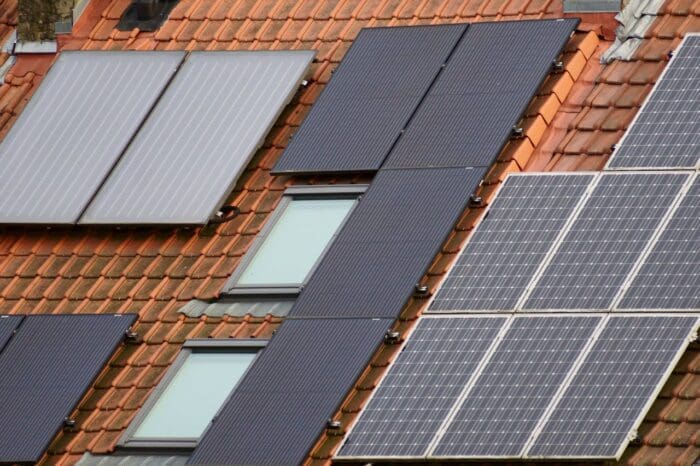
Introduction
Sri Lanka is experiencing a rapid shift toward renewable energy, and solar power is leading the way. Rising electricity tariffs, frequent power cuts, and growing environmental awareness have made installing a solar system in Sri Lanka a smart and long-term investment for homes and businesses alike.
However, choosing the right solar system is not just about installing panels on your roof. You need to understand system types, costs, savings, government regulations, and how solar energy actually fits your electricity usage. This guide explains everything you need to know—clearly, practically, and with Sri Lanka-specific insights.
Why Solar Power Is Growing Rapidly in Sri Lanka
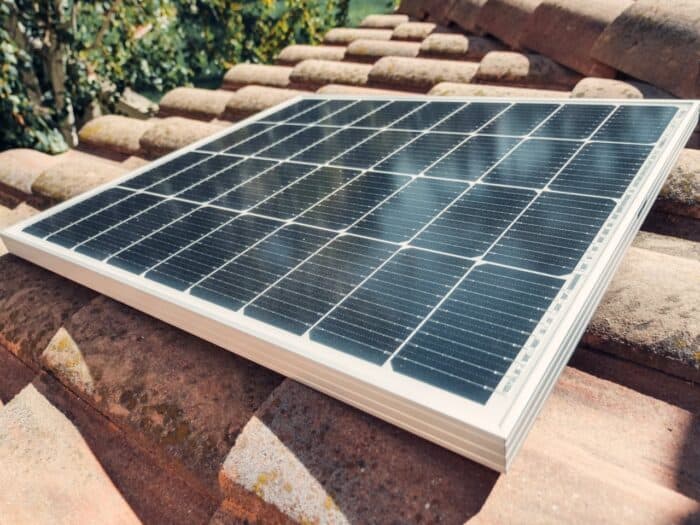
Sri Lanka receives strong sunlight for most of the year, making it ideal for solar energy generation. With average daily solar irradiation between 4.5–6 kWh/m², a properly designed solar panel system in Sri Lanka can generate significant electricity even during monsoon seasons.
Key reasons people are switching to solar systems include:
- Rising grid electricity costs
- Long-term savings on monthly bills
- Government net metering and approval schemes
- Energy independence during power cuts
- Increased property value
- Reduced carbon footprint
Homeowners now view solar panels for home use not as a luxury, but as a necessity.
Understanding What a Solar System in Sri Lanka Includes
A complete solar system for home or business is made up of several essential components working together:
1. Solar Panels
Solar panels capture sunlight and convert it into electricity using photovoltaic (PV) cells. Popular options include monocrystalline and polycrystalline panels, selected based on efficiency, budget, and roof space.
2. Solar Inverter
The inverter converts DC power from the solar panel system into AC power used by home appliances. Hybrid inverters are increasingly popular due to battery compatibility.
3. Mounting Structure
A solar rooftop structure ensures panels are angled correctly for maximum sunlight and long-term durability.
4. Solar Battery (Optional)
A solar battery stores excess power for use during outages or at night. This is especially useful in hybrid and off-grid solar systems.
5. Monitoring & Safety Devices
Smart meters, surge protectors, and monitoring apps are part of modern smart solar installations.
A professionally designed system—such as those installed by St. Anthony’s Solar—ensures all components work efficiently and safely.
Types of Solar Power Systems in Sri Lanka
Choosing the right system type is critical when installing a solar system in Sri Lanka.
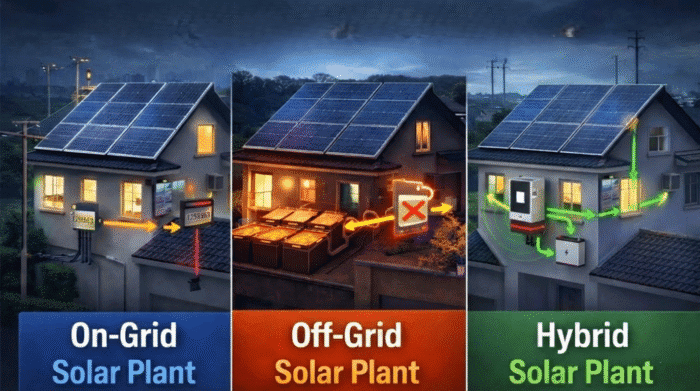
On-Grid Solar Systems
- Connected to the national electricity grid
- Uses net metering or net accounting
- No battery storage
- Lower initial cost
- Ideal for areas with stable grid supply
Off-Grid Solar Systems
- Completely independent of the grid
- Requires battery storage
- Higher upfront cost
- Suitable for rural or remote areas
Hybrid Solar Systems
- Combines grid connection with battery backup
- Works during power cuts
- Higher flexibility and energy security
Hybrid systems are becoming the most popular choice for home solar panels in Sri Lanka due to frequent grid interruptions.
Solar Panel Types, Efficiency & Lifespan
When selecting best solar panels in Sri Lanka, consider the following types:
Monocrystalline Solar Panels
- High efficiency
- Longer lifespan
- Requires less roof space
- Slightly higher solar panel price
Polycrystalline Solar Panels
- Lower cost
- Slightly lower efficiency
- Suitable for larger roofs
High-quality panels typically last 25–30 years, making them a long-term investment when installed by reliable solar panel suppliers in Sri Lanka.
Solar Panel Sizing & Dimensions Explained
Correct solar panel sizing ensures you get maximum savings without overspending.
Factors affecting system size:
- Monthly electricity consumption (kWh)
- Roof size and orientation
- Available budget
- Future electricity needs
For example:
- A 5kW solar system suits medium households
- A 10kW solar system is ideal for large homes or small businesses
Panel dimensions usually range between 1.6–2.2 m² per panel, so roof planning is essential before solar panel installation.
Cost of Installing a Solar System in Sri Lanka
The cost of a solar system in Sri Lanka depends on several factors:
- System capacity (kW)
- Panel brand and efficiency
- Inverter type
- Battery inclusion
- Installation quality
- Government approvals
Approximate price ranges (2026 outlook):
- 3kW system: Moderate cost, entry-level savings
- 5kW system: Best balance of cost and ROI
- 10kW system: High savings for large users
Although the initial investment may seem high, most systems recover costs within 4–6 years, after which electricity is almost free.
Monthly Savings & Return on Investment (ROI)
A well-designed home solar system can reduce electricity bills by 70%–100%.
Savings depend on:
- Electricity tariff category
- System size
- Net metering benefits
- Daily energy usage patterns
With rising electricity prices, solar power your home solutions offer predictable long-term savings unmatched by grid power.
Government Policies & Net Metering in Sri Lanka
Sri Lanka supports rooftop solar through government-approved schemes:
- Net Metering
- Net Accounting
- Net Plus
These allow you to export excess solar electricity to the grid and receive credits or payments. Approval involves CEB/LECO applications, site inspections, and safety certifications.
Experienced solar system companies in Sri Lanka, like St. Anthony’s Solar, handle approvals to ensure compliance and faster grid connection.
Choosing the Best Solar Companies in Sri Lanka
When searching for solar companies near me or solar providers near me, consider:
- CEB/LECO approval experience
- Panel and inverter warranties
- Installation quality
- After-sales service
- Local project portfolio
Avoid choosing based only on solar panel price. Long-term performance matters more than short-term savings.
Maintenance & Long-Term Performance
A solar panel system for home requires minimal maintenance:
- Panel cleaning every 3–6 months
- Annual electrical inspection
- Monitoring inverter performance
Proper maintenance ensures consistent solar energy generation for decades.
Final Thoughts: Is Solar Worth It in Sri Lanka?
For most households and businesses, installing a solar system in Sri Lanka is one of the smartest financial and environmental decisions available today. With proper planning, the right installer, and an understanding of government policies, solar power delivers long-term energy security and savings.If you are considering installing solar panels on your home, working with experienced providers like St. Anthony’s Solar ensures your system is efficient, compliant, and built to last.