What Is Solar Power in Sri Lanka and How Does It Actually Work at Home?
Solar power has moved from being an “alternative” energy source to a mainstream household solution in Sri Lanka. Rising electricity tariffs, power supply instability, and long-term cost concerns have pushed many homeowners to explore solar power for home use. Yet, despite the growing popularity, many people still do not fully understand what solar power in Sri Lanka is, how it functions inside a home, or how different system types affect daily electricity usage.
This guide explains—step by step—how solar power actually works at home in Sri Lanka, using simple language, real-world scenarios, and local context. Whether you are researching solar power near me, comparing system types, or trying to understand inverters, batteries, and net metering, this article provides a complete technical and practical explanation.
Understanding Solar Power in the Sri Lankan Context
Sri Lanka is geographically well-positioned for solar photovoltaics, receiving strong sunlight for most of the year. Average solar irradiation levels make rooftop solar highly viable across residential, commercial, and industrial sectors.
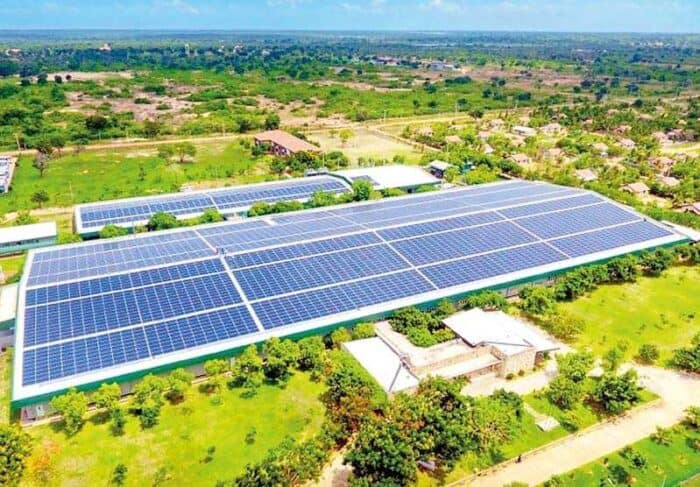
Solar power in Sri Lanka initiatives are not limited to homes. Large-scale solar power plants in Sri Lanka and utility-scale solar power projects in Sri Lanka contribute to the national grid. However, residential rooftop systems remain the fastest-growing segment because they directly reduce household electricity costs and dependency on the grid.
At the household level, a solar power system for home converts sunlight into usable electricity and supplies it directly to appliances such as lights, fans, refrigerators, TVs, and even air conditioners.
What Exactly Is a Solar Power System?
A solar power system is an integrated setup that captures sunlight, converts it into electrical energy, and distributes that energy safely inside your home.
In technical terms, it is a solar photovoltaic system, made up of several components that work together:
- Photovoltaic panels (PV panels) to capture sunlight
- A solar inverter to convert electricity
- A distribution system connected to your home
- Optional storage devices such as a solar battery
Unlike generators or fuel-based systems, solar systems rely on photovoltaics, which convert light directly into electricity without combustion or noise.
How Photovoltaic Technology Works (The Science Made Simple)
What Are Photovoltaics?
Photovoltaics is the technology that allows sunlight to be converted directly into electrical energy. This happens inside photovoltaic panels, which are made from semiconductor materials such as silicon.
Each panel contains multiple solar cells (also called PV cells). When sunlight hits these cells:
- Light particles (photons) strike the silicon surface
- Electrons are knocked loose inside the material
- An electric current begins to flow
This process produces direct current (DC) electricity.
From Sunlight to Your Plug Point: Step-by-Step Power Flow
Understanding how electricity travels through a solar power system for home helps clarify why different components are necessary.
Step 1: Solar Panels Capture Sunlight
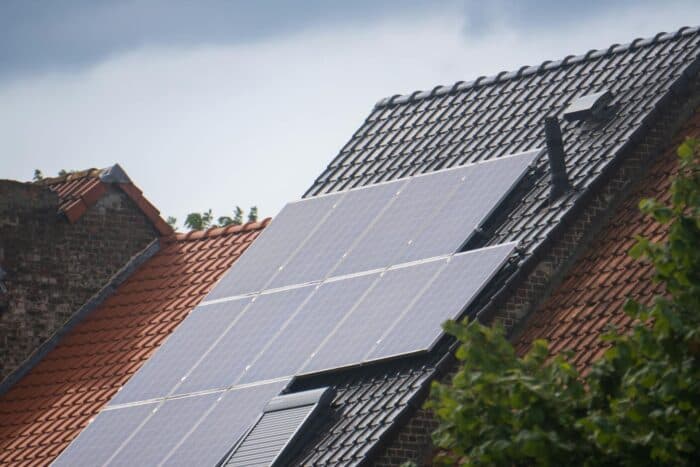
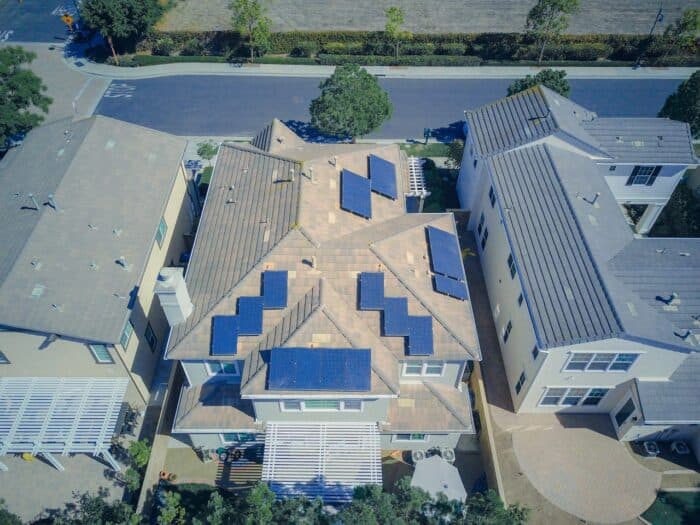
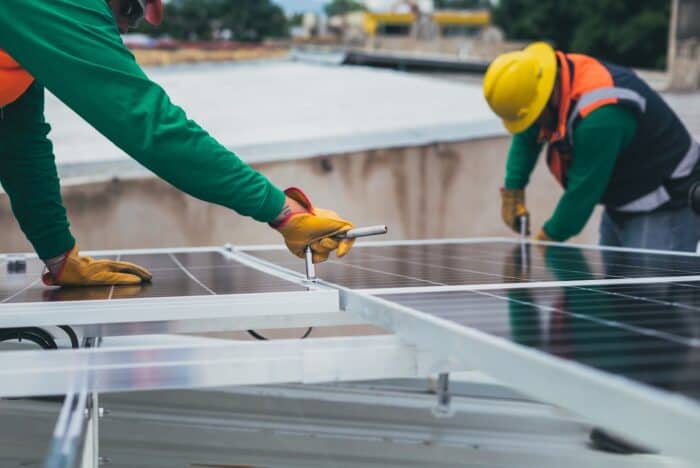
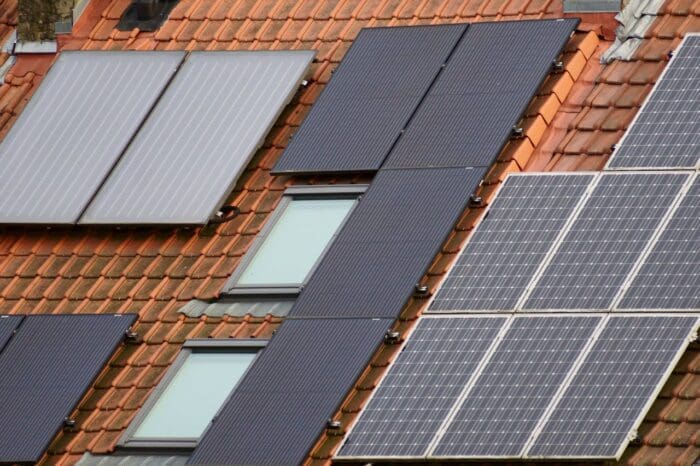
Solar power panels for home are installed on the roof, usually facing south or southwest for optimal exposure. These panels generate DC electricity during daylight hours.
Common panel types include:
- Monocrystalline solar panel (high efficiency, compact size)
- Polycrystalline panels (slightly lower efficiency)
Together, these panels form what is known as a solar PV array.
Step 2: DC Power Flows to the Solar Inverter
Homes use alternating current (AC), but solar panels generate DC. This is where the solar panel inverter (also called an inverter solar panel system) becomes critical.
The solar inverter:
- Converts DC electricity into AC
- Regulates voltage and frequency
- Protects appliances from power fluctuations
- Communicates with the grid (in grid-connected systems)
Step 3: AC Power Supplies Your Home Appliances
Once converted, electricity flows into your home’s main distribution board. Appliances automatically use solar power first before drawing electricity from the grid.
This seamless switching is why most homeowners do not “feel” when solar power is working—it happens automatically.
Types of Solar Power Systems Used in Sri Lankan Homes
Not all solar systems work the same way. Choosing the correct configuration depends on electricity usage, budget, and power reliability needs.
1. On-Grid Solar System (Grid-Tied)
An on grid solar system for home is connected directly to the national electricity grid.
How it works:
- Solar panels generate power during the day
- Excess electricity is exported to the grid
- The grid supplies power at night
This system uses net metering solar, allowing you to offset electricity bills with exported energy.
Key characteristics:
- No battery required
- Lower installation cost
- Does not work during power cuts (for safety reasons)
2. Off-Grid Solar Power System
An off grid solar power system operates completely independently of the national grid.
How it works:
- Solar panels charge a battery bank
- Stored energy is used day and night
- A backup solar generator may be used in emergencies
An off grid solar system Sri Lanka is commonly used in remote areas with no grid access.
Key characteristics:
- Requires large battery storage
- Higher upfront cost
- Full energy independence
3. Hybrid Solar Power System
A hybrid solar power system combines the best features of both on-grid and off-grid systems.
How it works:
- Solar panels power the home
- Excess energy charges batteries
- Grid acts as a backup
This setup uses a hybrid inverter, sometimes called a hybrid solar inverter, which intelligently manages power flow.
A solar hybrid power system is increasingly popular in Sri Lanka due to frequent grid interruptions.
Understanding Solar Inverters in Detail
The inverter is the “brain” of your system.
Types of Solar Inverters
- String inverters
- Microinverters
- Hybrid inverter Sri Lanka models (grid + battery compatible)
The inverter:
- Synchronizes with grid frequency
- Manages battery charging
- Provides real-time performance data
Modern systems allow homeowners to monitor output via mobile apps, making solar power solutions more transparent and measurable.
Solar Batteries: Do Homes Really Need Them?
A solar battery stores excess electricity for use during power cuts or at night.
Batteries are useful when:
- Power cuts are frequent
- Energy independence is a priority
- Hybrid systems are used
However, batteries increase system cost and require eventual replacement. For many households, grid-tied systems with net metering are sufficient.
System Size Explained: What Does 5kW Mean?
A 5kW solar power system is one of the most common residential sizes in Sri Lanka.
Approximate performance:
- Produces 18–22 units per day
- Suitable for medium-sized households
- Can offset most monthly electricity bills
Larger homes may opt for higher-capacity systems, while smaller households may need less.
Solar Power Installation at Home: What Happens Practically?
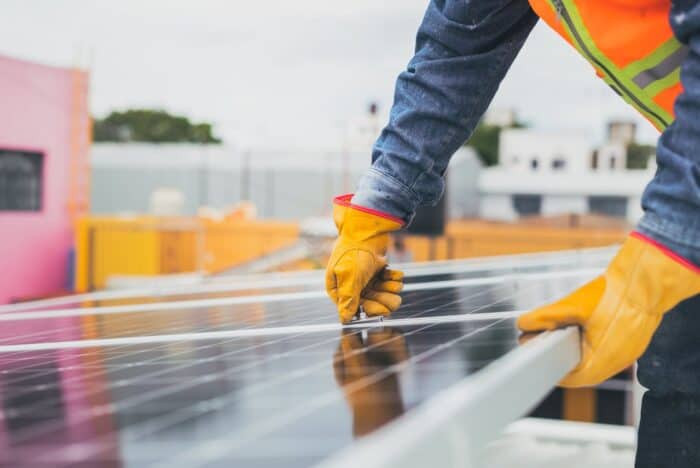
A standard solar power installation includes:
- Site inspection
- Roof structure assessment
- Panel layout design
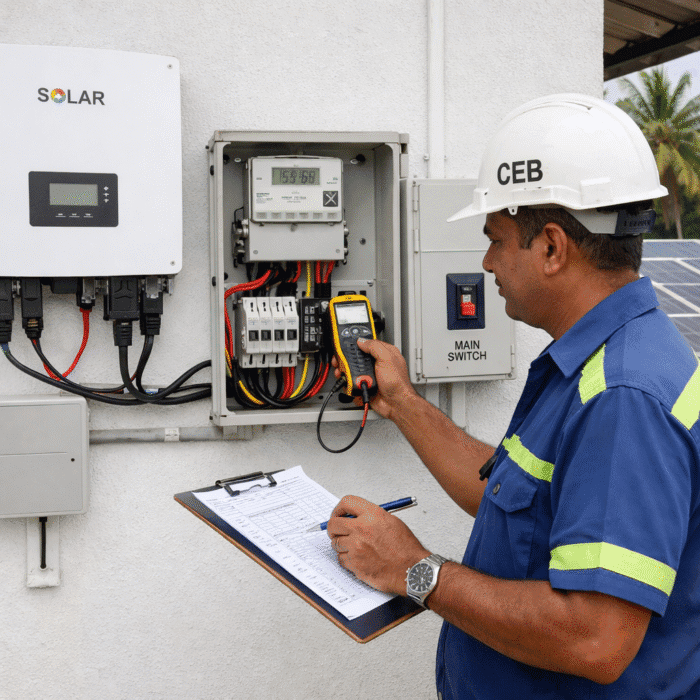
- Electrical integration
- Grid approval and testing
Professional installers and experienced solar panel dealers in Sri Lanka ensure safety compliance and system longevity.
Net Metering and Grid Interaction
Net metering solar allows homes to export unused electricity to the grid.
Benefits include:
- Reduced electricity bills
- Better ROI
- Efficient use of excess power
This system is regulated and approved through local electricity authorities.
Solar Power Roof Requirements
A suitable solar power roof should have:
- Adequate structural strength
- Minimal shading
- Proper orientation
- Sufficient surface area
Roof suitability directly affects energy output and long-term performance.
Solar Power in Sri Lanka: Beyond Homes
Sri Lanka continues to invest in:
- Large-scale solar power plants in Sri Lanka
- Community-level solar projects
- Industrial and commercial solar rooftops
These solar power projects in Sri Lanka strengthen national energy security and reduce fossil fuel dependence.
Choosing the Right Solar Power Solutions Provider
When searching for solar power companies near me or solar power near me, homeowners should consider:
- Technical expertise
- Compliance with Sri Lankan regulations
- Warranty coverage
- After-sales support
While researching renewable solutions, some households also explore water treatment technologies from brands like PureHydro, especially when combining solar-powered homes with advanced water purification systems.
Common Myths About Solar Power at Home
Myth: Solar works only in full sunlight
Fact: Panels generate electricity even on cloudy days
Myth: Solar damages roofs
Fact: Proper installation protects roof integrity
Myth: Solar is only for large houses
Fact: Systems are scalable for all home sizes
The Future of Home Solar Power in Sri Lanka
With falling technology costs, smarter inverters, and better energy policies, solar photovoltaics will continue to dominate residential energy solutions.
Future systems will integrate:
- Smart energy management
- EV charging
- AI-based performance optimization
Final Thoughts: How Solar Power Actually Works at Home
A solar power system for home in Sri Lanka is not just a collection of panels—it is a well-engineered energy ecosystem. From photovoltaic panels to hybrid solar PV systems, each component plays a critical role in delivering clean, reliable electricity.
Understanding how solar power works helps homeowners make informed decisions, avoid common mistakes, and maximize long-term benefits.
As solar adoption grows across Sri Lanka, informed choices—not just lower prices—will define successful solar installations.For expert-designed solar systems that meet Sri Lankan standards, consult St. Anthony’s Solar.