Solar Panel Sizes & Dimensions Explained: How Many Panels Do You Really Need?
Understanding solar panel sizes & dimensions is one of the most important steps when planning a solar power system. Many homeowners assume solar design is only about system capacity (kW), but physical panel size, the number of panels, and roof space availability are equally critical.
Whether you’re installing solar on a home, business, or industrial building in Sri Lanka, choosing the correct panel size and quantity ensures maximum efficiency, optimal energy production, and the best return on investment.
This comprehensive guide explains solar panel dimensions, standard sizes, wattage differences, roof space requirements, and how to calculate exactly how many panels you need.
What Are Solar Panel Sizes & Dimensions?
Solar panel size refers to the physical length, width, thickness, and surface area of a photovoltaic (PV) panel. These dimensions directly affect:
- Power output (wattage)
- Installation space requirements
- System design flexibility
- Total number of panels required
- Installation cost and overall efficiency
Solar panels convert sunlight into electricity using PV cells. Generally, the more cells a panel contains, the larger its physical size and the higher its power output.
Standard Solar Panel Sizes (Residential vs. Commercial)
There are two main categories of solar panels based on size and application:
Residential Solar Panel Dimensions
Most homes use standard residential solar panels, which are ideal for rooftops with limited space.
- Length: 65 inches (165 cm)
- Width: 39 inches (99 cm)
- Thickness: 1.5–2 inches (4–5 cm)
- Surface area: ~1.6–1.8 square meters
- Weight: 18–22 kg
- Power output: 350W to 450W
Commercial Solar Panel Dimensions
Commercial and industrial systems use larger panels, providing more power per unit and reducing the total number of panels required.
- Length: 78 inches (198 cm)
- Width: 39 inches (99 cm)
- Surface area: ~2–2.2 square meters
- Weight: 22–28 kg
- Power output: 450W to 600W
Solar Panel Dimensions by Cell Count
Solar panels are built using individual solar cells. The number of cells dictates both the size and the output.
60-Cell Solar Panels
- Size: 65 x 39 inches
- Output: 300W–350W
- Note: Common in older residential systems, but less common in modern installations.
72-Cell Solar Panels
- Size: 78 x 39 inches
- Output: 400W–500W
- Note: Used in both residential and commercial systems and very popular in Sri Lanka.
96-Cell and 144 Half-Cell Panels
- Size: 80–90 inches in length
- Output: 450W–600W
- Note: Modern high-efficiency panels that provide higher output with fewer panels.
Why Solar Panel Size Matters
Solar panel dimensions affect multiple aspects of your solar system design:
- Roof Space Requirements: Your roof size determines how many panels you can install. Smaller roofs may require smaller, higher-efficiency panels.
- System Capacity: Larger panels produce more power per panel, which reduces installation complexity.
- Installation Efficiency: Fewer panels mean less wiring, faster installation, and lower labor costs.
- Structural Load: Because each panel weighs 18–28 kg, your roof structure must be able to support the total weight.
Average Solar Panel Size in Sri Lanka (2026)
Modern solar systems in Sri Lanka typically strike an optimal balance between size and efficiency by using:
- Power Output: 450W to 550W panels
- Physical Size: Approximately 2 square meters per panel
How to Calculate How Many Solar Panels You Need
The exact number of panels depends on your electricity consumption, desired system size (kW), panel wattage, and available roof space.
The Formula: > System Size (in Watts) ÷ Panel Wattage = Number of Panels Needed
Example: For a 5 kW system (5000 watts) using 500W panels: 5000 ÷ 500 = 10 panels required
Solar Panel Quantity Based on System Size
| System Size | Panel Wattage | Panels Needed |
| 1 kW | 450W | 2–3 panels |
| 2 kW | 450W | 4–5 panels |
| 3 kW | 450W | 6–7 panels |
| 5 kW | 450W | 10–12 panels |
| 10 kW | 500W | 20 panels |
Example: Requirements for Typical Sri Lankan Homes
- Small home (150 units/month): 2 kW system size | Requires 4–5 panels
- Medium home (300 units/month): 3–4 kW system size | Requires 7–9 panels
- Large home (600 units/month): 5–6 kW system size | Requires 10–14 panels
Commercial Solar Panel Requirements
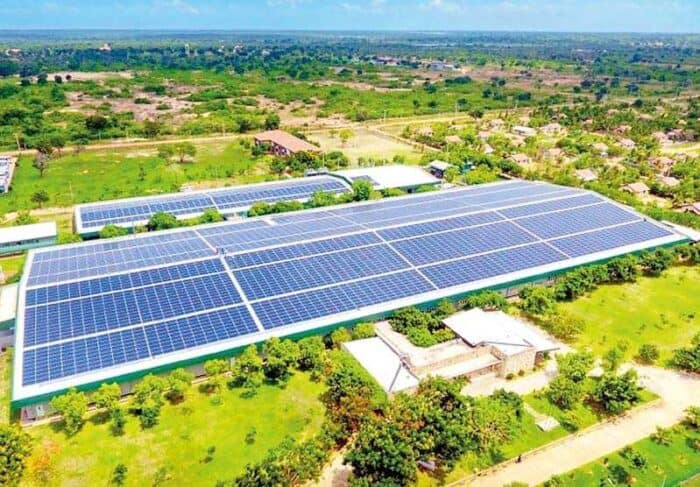
Businesses require larger systems, but commercial buildings usually have enough roof space to accommodate them.
- Example for a 50 kW system: 50,000 Watts ÷ 550W panels = ~91 panels.
Roof Space Required for Solar Panels
Each solar panel requires approximately 2 square meters of space.
| System Size | Panels | Roof Space Needed |
| 3 kW | 7 panels | 14 sq meters |
| 5 kW | 11 panels | 22 sq meters |
| 10 kW | 20 panels | 40 sq meters |
Spacing Requirements
Panels cannot be installed edge-to-edge. You must add 10–20% extra space to your calculation to allow for heat dissipation, maintenance access, and safety.
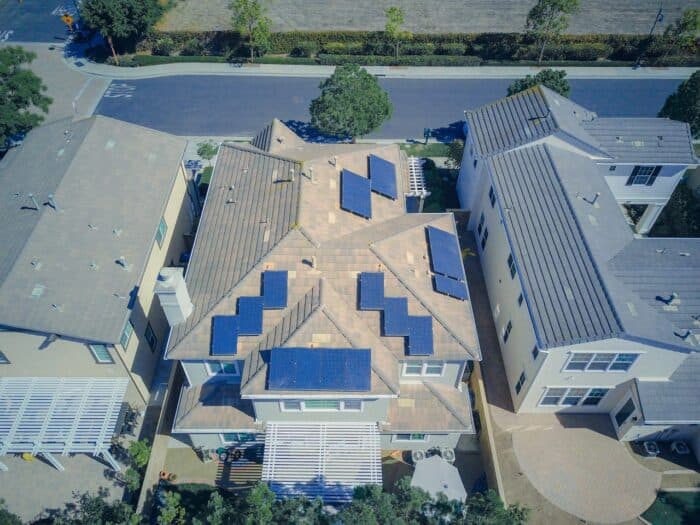
How Roof Shape Affects Panel Quantity
Your roof type dictates your installation capacity. The best roof types are flat roofs, large rectangular roofs, and south-facing roofs. Complex roofs with multiple angles reduce total panel capacity. Note: Modern high-efficiency panels allow for installation even on smaller roofs.
Physical Placement: Orientation, Thickness, and Weight
- Orientation and Layout: Best orientation in Sri Lanka is facing south or southwest with a tilt angle of 5–15 degrees.
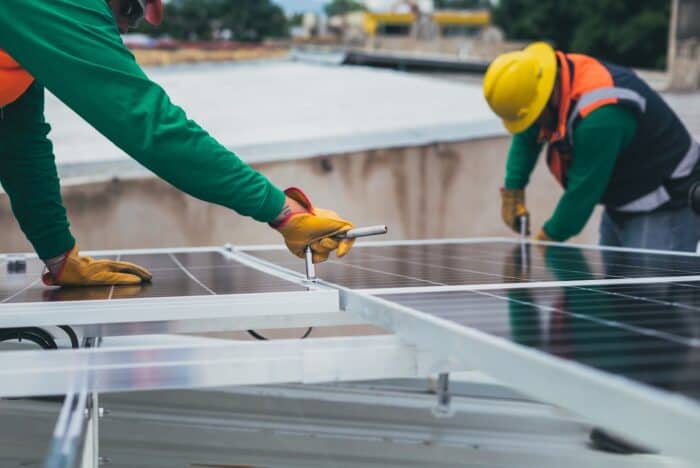
- Thickness and Weight: Panels are typically 1.5–2 inches thick and weigh 18–28 kg. For a 10-panel system, the total weight will be 180–280 kg. Professional installers will ensure your roof is structurally safe to handle this load.
Types of Solar Panels and Their Sizes
- Monocrystalline Solar Panels: The most efficient and popular choice. They require a smaller size for the same power output and are ideal for residential systems.
- Polycrystalline Solar Panels: These have a lower efficiency, meaning a larger physical size is required to meet energy needs. They are lower in cost but less common today.
- Half-Cell Solar Panels: A modern, advanced technology widely used in Sri Lanka. They offer higher efficiency, better performance, and improved durability.
Common Misconceptions About Solar Panel Sizes
- Misconception: Larger panels are always better.Reality: Efficiency matters more than physical size. High-efficiency panels produce more power in less space (e.g., a 500W high-efficiency panel takes up the same 1.8 sq meters as an older 350W panel).
- Misconception: More panels always produce more savings.Reality: Correctly sizing your system to match your specific usage is essential for ROI.
- Misconception: All panels are the same size.Reality: Sizes vary significantly depending on the underlying technology and wattage.
Why Proper System Design Matters
Future trends in solar technology point toward higher efficiency, smaller physical sizes, and improved durability. This makes proper system design crucial today. Correct panel size and quantity ensure:
- Maximum energy production
- Optimal ROI
- Long-term performance (Panels last 25–30 years, degrading only ~0.5% per year)
- Efficient use of roof space
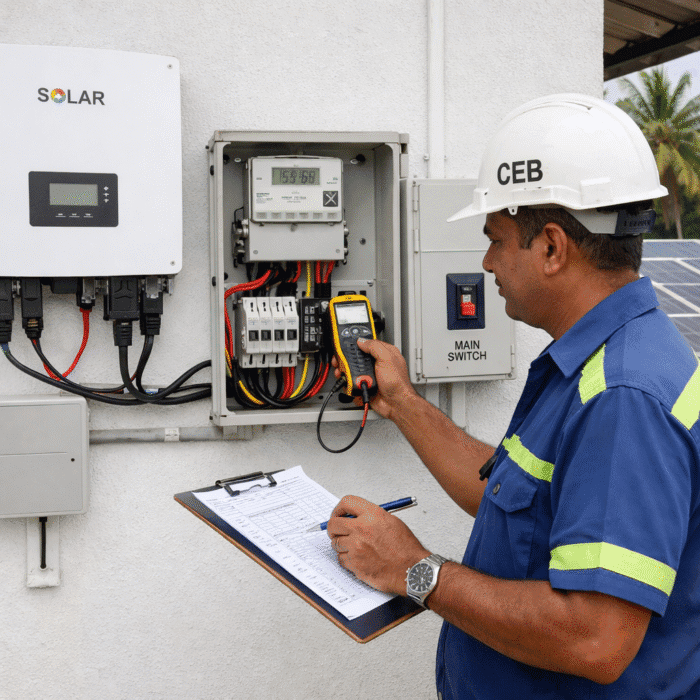
Professional installers perform detailed system calculations. Companies such as PureHydro and other experienced solar providers emphasize proper design to maximize your long-term efficiency and savings.
Conclusion
Understanding solar panel sizes & dimensions is essential when installing a solar system. Panel size affects power output, roof space requirements, installation cost, and overall system efficiency.
Modern solar panels in Sri Lanka typically measure around 2 square meters and produce 450W to 550W of power. Most homes require between 6 and 14 panels depending on electricity usage and system size. Choosing the correct panel size ensures optimal performance, maximum savings, and long-term energy security for 25+ years.
Get Expert Solar System Design and Installation
If you’re planning to install solar panels, professional system design ensures you use the right panel sizes, maximize roof space, and achieve the best long-term savings.
Visit: https://stanthonyssolar.lk/