Sri Lanka is at a pivotal moment in its energy journey. With rising electricity costs, frequent power challenges, and a growing focus on sustainability, Solar Energy in Sri Lanka is no longer just an alternative—it’s becoming a necessity. Homeowners, businesses, and industries are rapidly adopting solar solutions to achieve energy independence and long-term savings.
In this comprehensive guide, we explore the future of Solar Energy, the latest trends, emerging technologies, and how Sri Lanka is moving toward a cleaner, self-sufficient energy landscape.
Alt Text (SEO-Friendly):
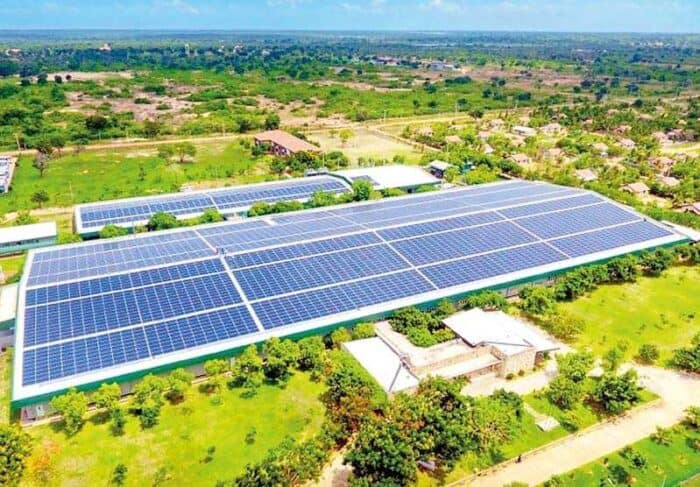
“Large solar farm in Sri Lanka generating clean renewable energy”
Title Text:
“Utility-scale solar farm in Sri Lanka contributing to energy independence”
Description:
“A sprawling solar farm in Sri Lanka showcasing the future of renewable energy and sustainable development.”
Why Solar Energy is the Future of Sri Lanka
Sri Lanka is uniquely positioned to benefit from solar power due to its tropical climate and high solar irradiation throughout the year. With over 2,500 sunlight hours annually, the country has immense untapped solar potential.
Key Drivers Behind Solar Growth
- Rising Electricity Costs: Grid electricity prices continue to increase, pushing consumers toward solar alternatives.
- Government Support: Initiatives like net metering and net plus schemes encourage solar adoption.
- Energy Security: Reducing reliance on imported fossil fuels strengthens national stability.
- Environmental Concerns: Solar reduces carbon emissions and supports sustainability goals.
Businesses and households are now turning to trusted providers like St. Anthony`s Solar to install efficient systems that reduce long-term energy expenses while contributing to a greener future.
Current Trends in Solar Energy in Sri Lanka
1. Rapid Growth in Residential Solar Installations
Homeowners are increasingly investing in rooftop solar systems to reduce electricity bills and gain energy independence. With financing options and leasing models, solar has become more accessible than ever.
2. Expansion of Commercial & Industrial Solar
Businesses are leveraging Solar Energy to cut operational costs and improve sustainability credentials. Large-scale solar installations are now common in:
- Factories
- Hotels
- Warehouses
- Office complexes
3. Net Metering & Net Plus Adoption
Sri Lanka’s net metering system allows users to export excess electricity back to the grid. This has made solar installations financially attractive and sustainable.
4. Growth of Solar Logistics & Supply Chains
Efficient solar distribution networks are emerging, ensuring faster delivery and installation. Companies like St. Anthony`s Solar are playing a key role in streamlining solar logistics across the island.
Emerging Solar Technologies Shaping the Future
The future of Solar Energy in Sri Lanka is being driven by innovation. Here are some key technologies transforming the industry:
1. High-Efficiency Solar Panels
Modern solar panels now offer higher efficiency with better performance even in low-light conditions. Technologies include:
- Monocrystalline panels
- Bifacial solar panels (capture sunlight from both sides)
- Half-cut cell technology
2. Battery Storage Systems
Energy storage is a game changer. Solar batteries allow users to store excess energy for nighttime or power outages.
Benefits:
- Uninterrupted power supply
- Reduced dependency on the grid
- Greater energy independence
3. Smart Solar Systems
Smart inverters and monitoring apps enable users to track energy production and consumption in real time. This improves system efficiency and helps identify issues quickly.
4. Hybrid Solar Systems
Hybrid systems combine grid power, solar energy, and battery storage, offering flexibility and reliability.
Step-by-Step: How to Transition to Solar Energy
If you’re considering switching to Solar Energy in Sri Lanka, here’s a simple step-by-step guide:
Step 1: Assess Your Energy Needs
Evaluate your monthly electricity consumption and identify your energy goals (bill reduction, backup power, or full independence).
Step 2: Site Inspection
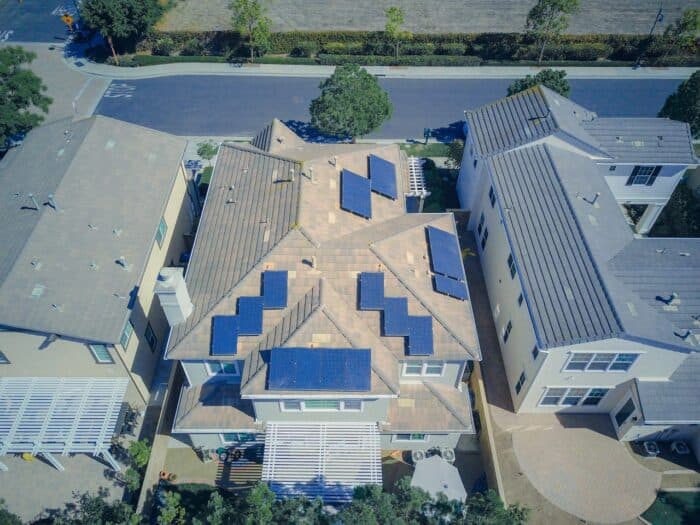
A professional solar provider will assess your roof space, orientation, and shading to design the optimal system.
Step 3: System Design & Proposal
You’ll receive a customized solar solution tailored to your energy needs and budget.
Step 4: Approvals & Documentation
Obtain necessary approvals from local authorities and utility providers for grid connection.
Step 5: Installation
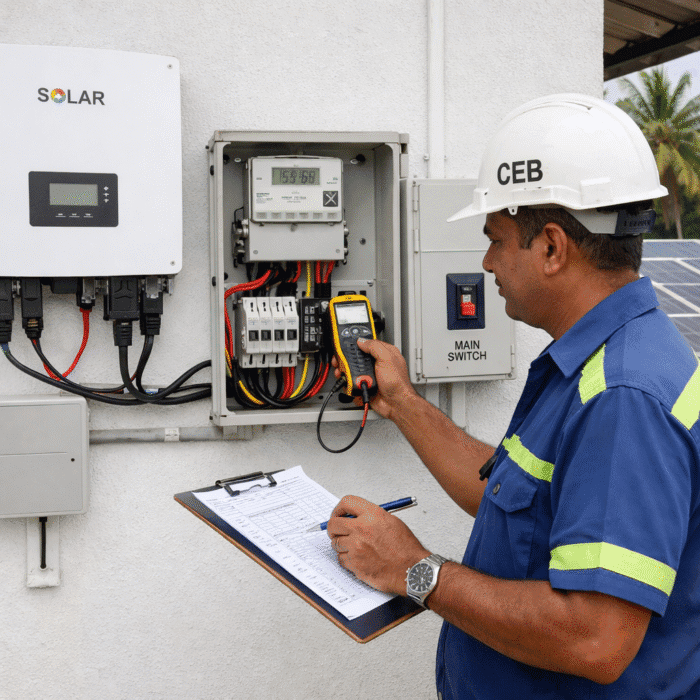
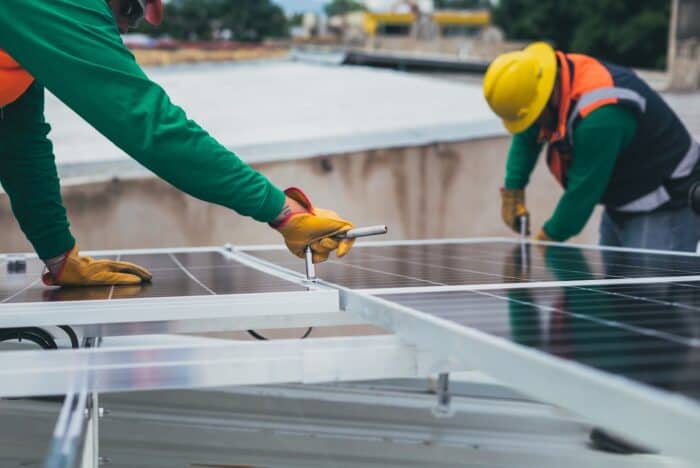
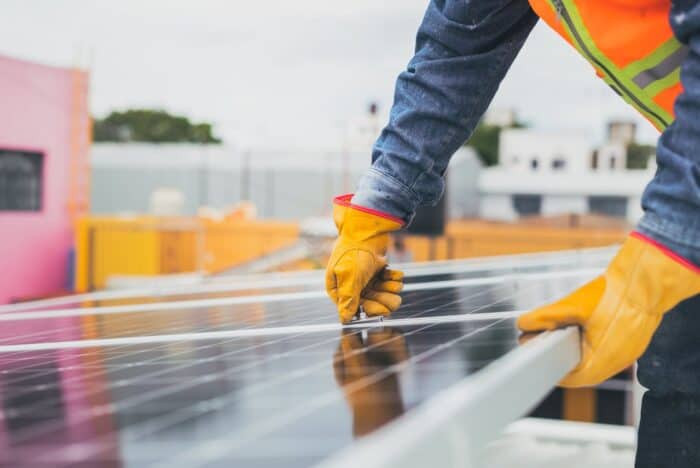
Certified technicians install solar panels, inverters, and wiring.
Step 6: Testing & Commissioning
The system is tested and connected to the grid.
Step 7: Monitoring & Maintenance
Use smart tools to monitor performance and ensure long-term efficiency.
For professional assistance, you can connect with experts through the Solar Energy in Sri Lanka solutions offered by St. Anthony`s Solar.
Benefits of Solar Energy for Sri Lanka
1. Cost Savings
Solar significantly reduces monthly electricity bills and offers long-term financial returns.
2. Energy Independence
With solar systems and battery storage, users can reduce or eliminate reliance on the national grid.
3. Environmental Impact
Solar energy reduces carbon emissions and supports a cleaner environment.
4. Increased Property Value
Homes and buildings with solar systems often have higher market value.
5. Reliable Power Supply
Solar provides backup during outages, ensuring uninterrupted operations.
Challenges & Opportunities
Challenges
- Initial installation costs
- Limited awareness in rural areas
- Grid infrastructure limitations
Opportunities
- Government incentives and subsidies
- Growing demand for renewable energy
- Technological advancements reducing costs
- Increased private sector investment
Sri Lanka’s solar market is expected to grow rapidly as these challenges are addressed and opportunities expand.
The Role of Solar in Achieving Energy Independence
Energy independence is a major goal for Sri Lanka. By adopting Solar Energy, the country can:
- Reduce dependence on imported fuel
- Stabilize electricity costs
- Enhance national energy security
- Promote sustainable economic growth
Decentralized solar systems (rooftop installations) empower individuals and businesses to generate their own electricity, creating a more resilient energy network.
Future Outlook: What to Expect
The future of Solar Energy in Sri Lanka looks promising, with several key developments on the horizon:
1. Increased Adoption Across All Sectors
From households to large industries, solar will become a standard energy solution.
2. Integration with Smart Grids
Advanced grid systems will better manage solar energy distribution and storage.
3. Growth of Solar-Powered Transportation
Electric vehicles powered by solar energy will become more common.
4. Government Policy Enhancements
Stronger policies and incentives will accelerate solar adoption.
5. Declining Costs
Technological advancements will continue to reduce installation and equipment costs.
Most Searched Questions About Solar Energy in Sri Lanka
Is solar energy worth it in Sri Lanka?
Yes. With high sunlight availability and rising electricity costs, solar offers excellent long-term savings and sustainability benefits.
How long do solar panels last?
Most solar panels last 20–25 years with proper maintenance.
Can solar power run a whole house?
Yes. With the right system size and battery storage, solar can fully power a home.
What happens during a power cut?
If you have a battery or hybrid system, your solar setup can continue supplying power.
How much does a solar system cost in Sri Lanka?
Costs vary depending on system size and technology, but prices have become more affordable in recent years.
FAQs: Solar Energy in Sri Lanka
1. What is the best solar system for homes?
A grid-tied system with optional battery backup is ideal for most households.
2. Do solar panels work during cloudy days?
Yes, but efficiency may be slightly reduced.
3. Is maintenance required?
Minimal maintenance is needed—mainly cleaning panels and periodic inspections.
4. Can I sell excess electricity?
Yes, through net metering or net plus schemes.
5. How do I get started?
You can explore reliable solutions and expert guidance through Solar Energy services provided by St. Anthony`s Solar.
Why Choose a Trusted Solar Partner?
Choosing the right solar provider is crucial for long-term performance and reliability. A trusted company like St. Anthony`s Solar ensures:
- High-quality solar components
- Professional installation
- End-to-end project support
- Ongoing maintenance services
To learn more or get started with your solar journey, visit the Solar Energy in Sri Lanka experts at St. Anthony`s Solar.
Conclusion
The future of Solar Energy in Sri Lanka is bright and full of potential. With strong government support, technological advancements, and increasing awareness, solar power is set to become the backbone of the country’s energy system.
By investing in Solar Energy, individuals and businesses can reduce costs, achieve energy independence, and contribute to a sustainable future.
Now is the perfect time to make the switch. Whether you’re a homeowner or a business owner, partnering with industry leaders like St. Anthony`s Solar can help you unlock the full potential of solar energy and secure a cleaner, more reliable energy future.